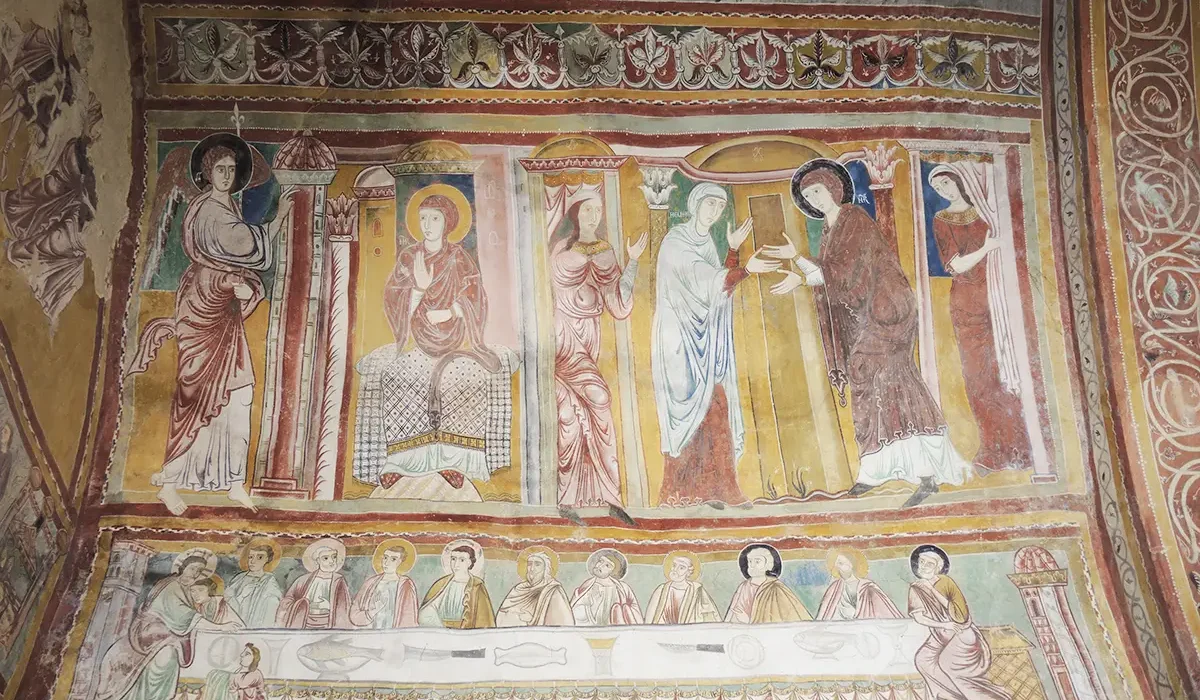
A.D.S.I. Graduate Competition for Dissertations on Historic Houses.
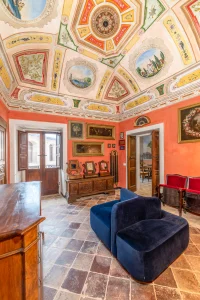
With prizes ranging from 1,500, for the winner to 500, for the third place winner, the call is aimed at graduates who have done a Master’s Thesis or obtained a Postgraduate Diploma in Architectural and Landscape Heritage. The subject matter must relate to one or more private listed buildings, including decorations, furnishings, archives, libraries, musical instruments, appurtenances, parks and gardens. In particular, the Theses may cover the following topics: conservation, maintenance, enhancement and productive use of these properties with economic spin-off for themselves and the surrounding area; innovative plant engineering and use of new technologies (including information technology) to make the enhancement of these properties sustainable and their capacity for efficient communication.

At this link all the information
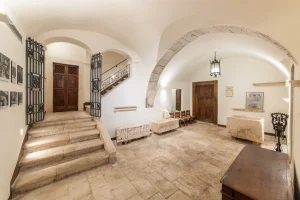
This call for applications by the Italian Historic Houses Association is in its eighth year. Palazzo D’Alessandro is among the mansions that have given their willingness to welcome and support thesis students. There are many insights that the palace offers: study of the decorations, including comparative studies with other mansions in the area, research on some archaeological finds inside, and historical archival research.
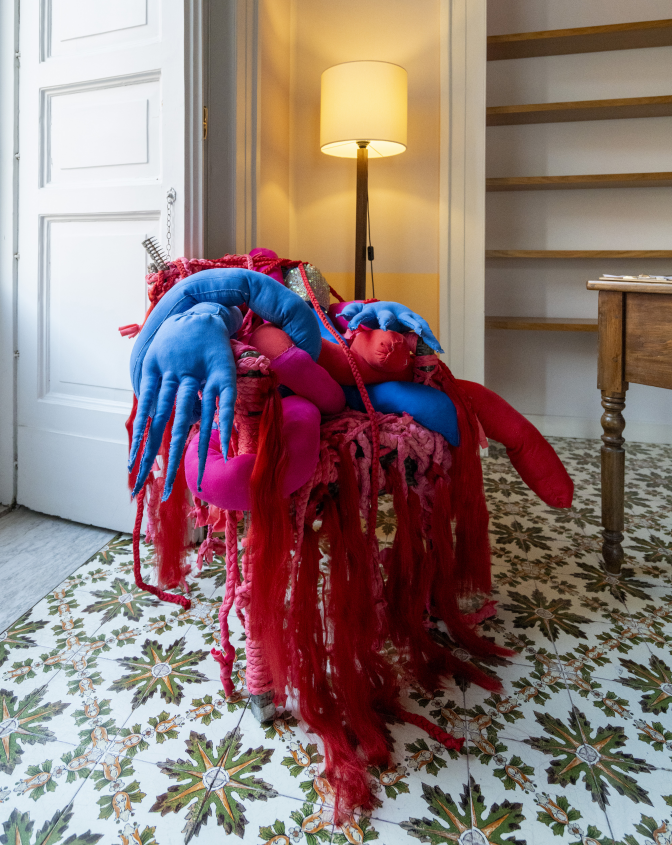
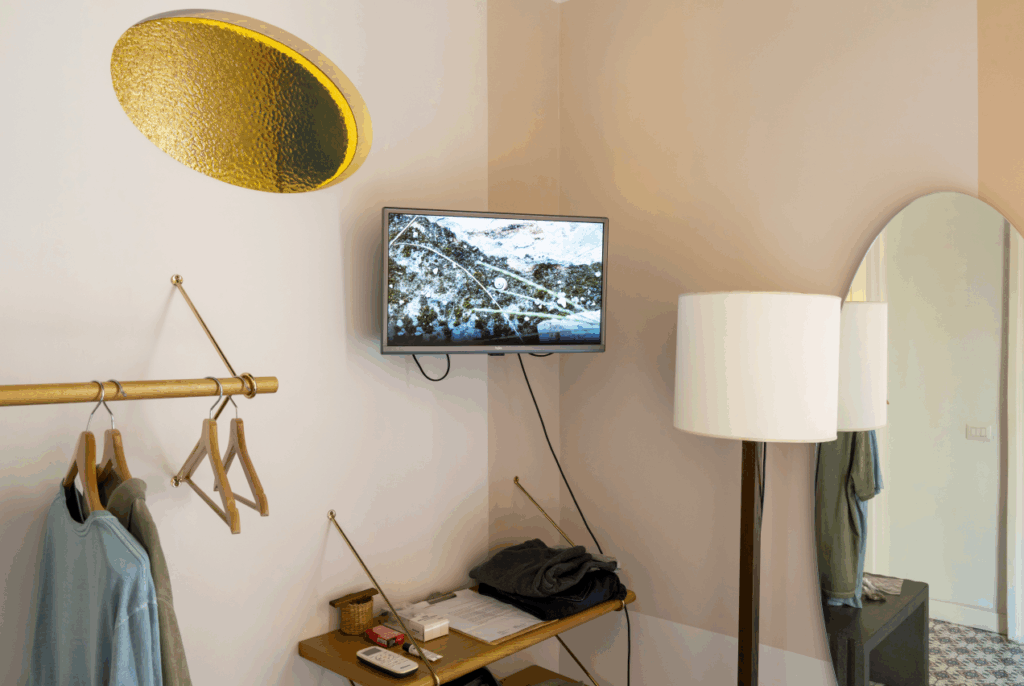
 

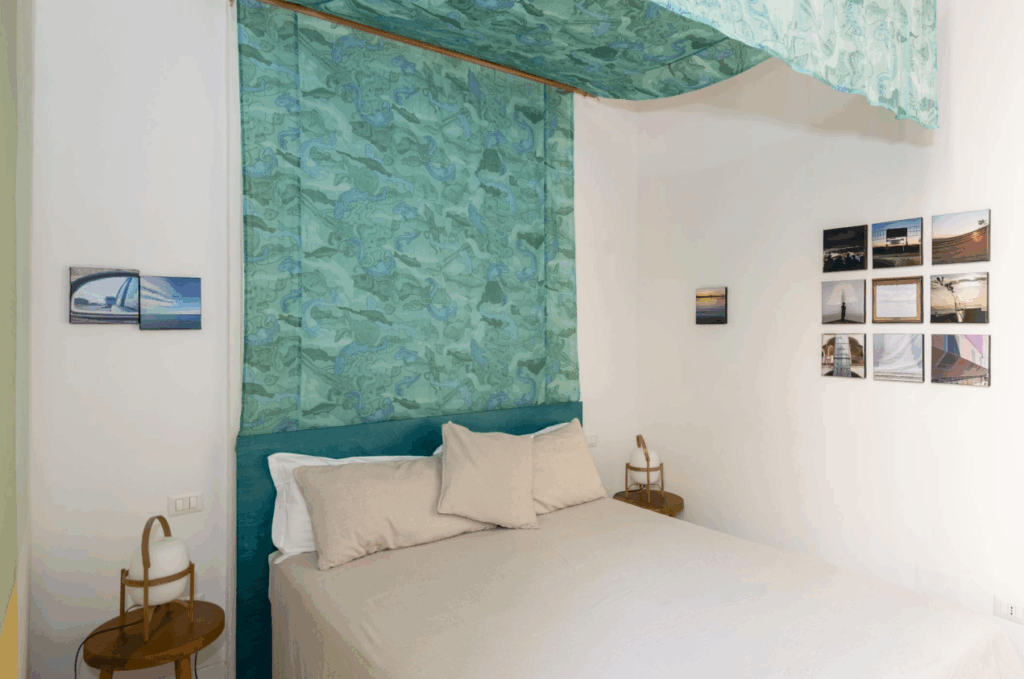
Artwork displayed in hotel rooms


The Look Closer 02 project , now in its second edition, expresses the very essence of the SuperOtium hotel that hosts it in Naples. Nine curators interpret with seven artists the nature and vocation of the art hotel created by the curator of the exhibition himself,with Vincenzo Falcione:become welcoming, stimulating and building an international community of travelers and creatives, made protagonists of a network of exchange and osmosis between the energies of the Neapolitan city and the world, placing the local fabric in dialogue with the hotel guests. Who, however, become in turn “hosts” who open their rooms and temporary privacy to allow the viewing of the works, fluidizing roles and contributions.

Exploration, doubt, discussion, discomfort and pleasure in the boundary between self and outside emerge early on in the “fragile and powerful”-in Ciancio’s words-ambivalence of Kobramulata, curated by Dario Biancullo and Lorenzo Xiques López: an armchair, or prison, literally intertwined with identity afro-braids, textiles wrapped as overthinking, tattered sheets as yearnings for freedom and escape from the comfort, or prison, of withdrawal into self. Transformative, metamorphic, disturbingly seductive, and multi-sensory like the creatures of Nathalie Djurberg or Louise Bourgeois, it establishes the interrogative thesis of the exhibition theme, hovering between art and object-furniture of function.


Source: Artribune