
Fara San Martino and Gustav Line
Fara San Martino is the emblem and spearhead of the pasta-making tradition
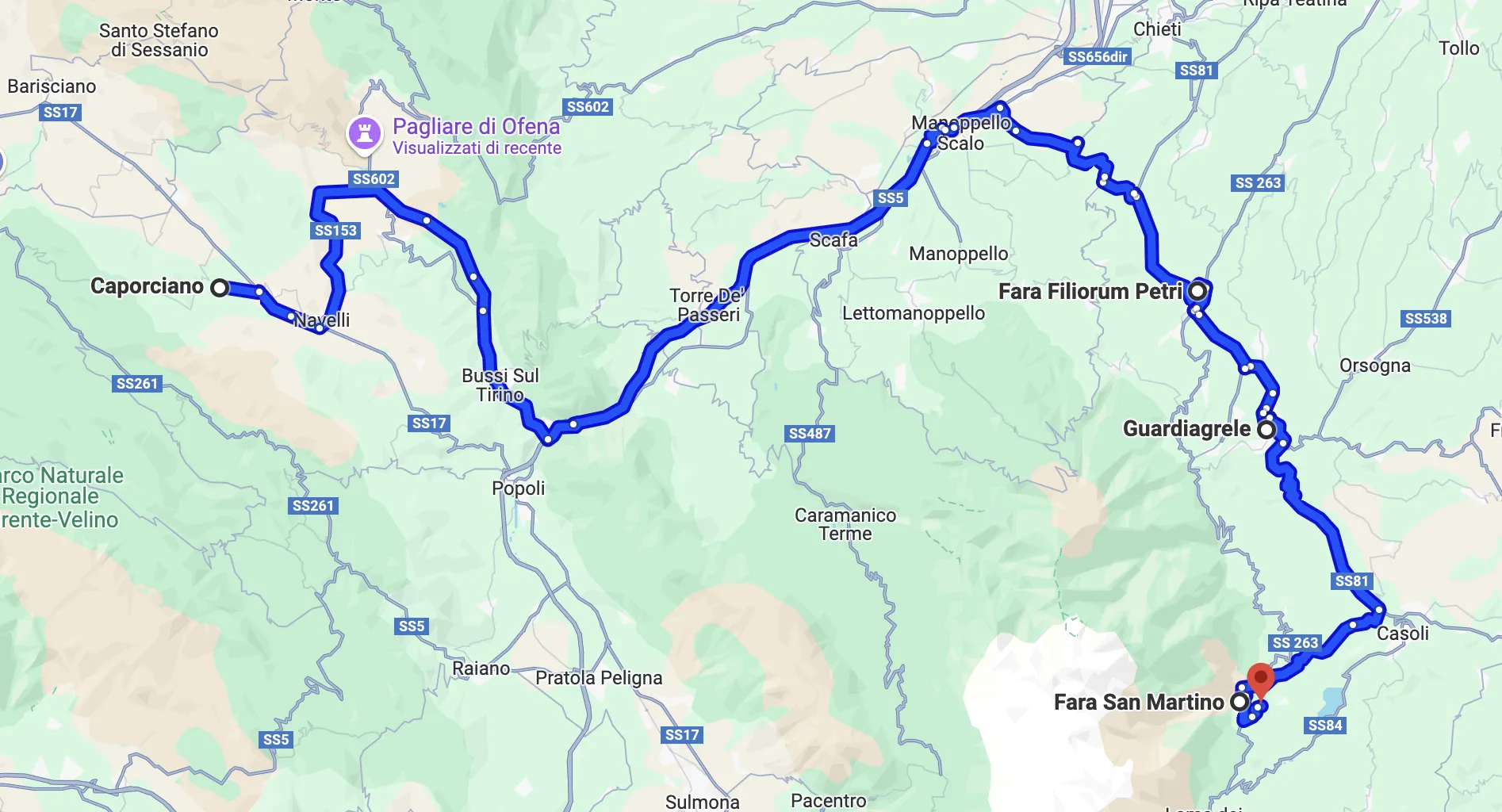
From Caporciano to Fara San Martino, by car, the transfer is just under two hours. If you plan to hike its famous gorges, start early and plan to devote practically a full half day to it.
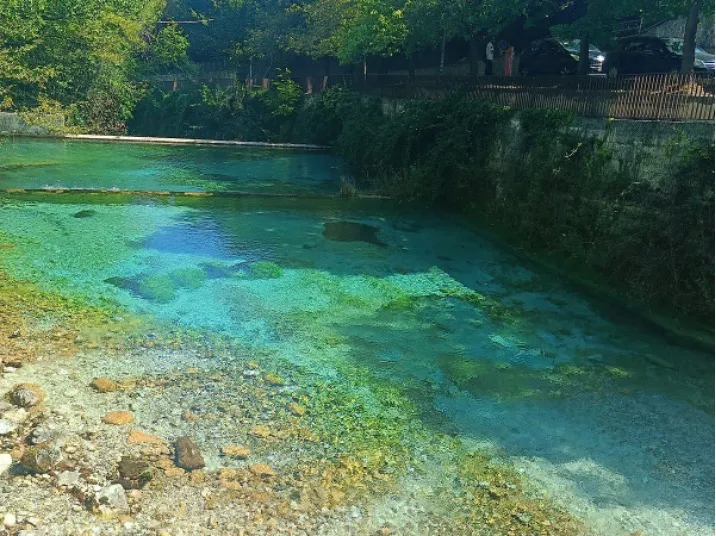
Fara San Martino is a small town, nestled beneath the Majella mountain range, which is fully identified with its pasta, its historic pasta factories, and its water, that of the springs of the Verde River, one of the fundamental elements on which the great quality of this product recognized throughout the world is based.
Fara San Martino, the small village of 1,400 inhabitants, is home to as many as four pasta factories. The place that has earned the title of water and pasta capital thanks to the great wealth given by the Verde River and great entrepreneurial skills. It is home to Pastifico De Cecco, which celebrated 130 years since its founding, Pastifico Del Verde run by an Argentine multinational, Pastificio del Cav. Cocco, which produces artisanal pasta with its ancient bronze dies, and Pastificio Farabella, established about ten years ago and specializing in gluten-free pasta.
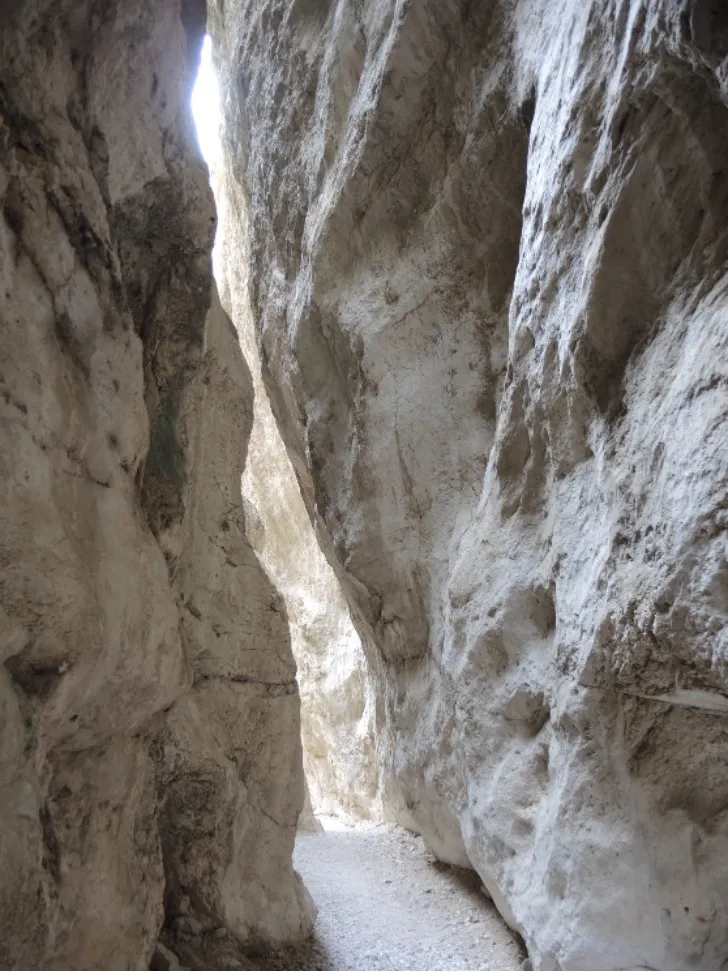
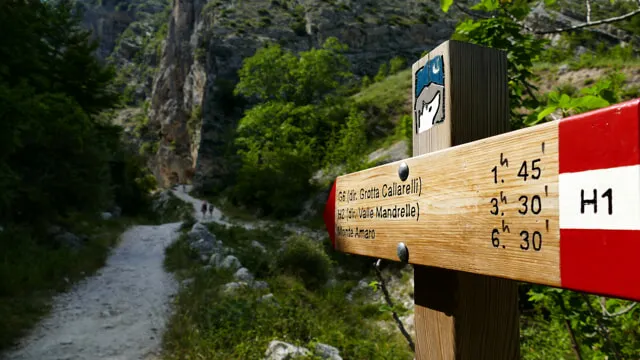
The area is renowned for its gorges, which can be hiked easily (helmet recommended). We start with a very narrow and evocative passage, and just outside the bottleneck appears the rock monastery, a medieval architectural jewel that resurfaced after a long campaign of archaeological excavations: the Benedictine Abbey of San Martino in valle (9th/8th centuries AD). Continue until you reach a charming fountain from which to return to the starting point.
At the end of the walk you can stop at the refreshment point at Sorgenti del Verde. If you are in the mood for a “road trip,” with short stops, you can visit other beautiful towns along the way: Fara Filorum Petri, Guardiagrele, Civitella Castel Raimondo.
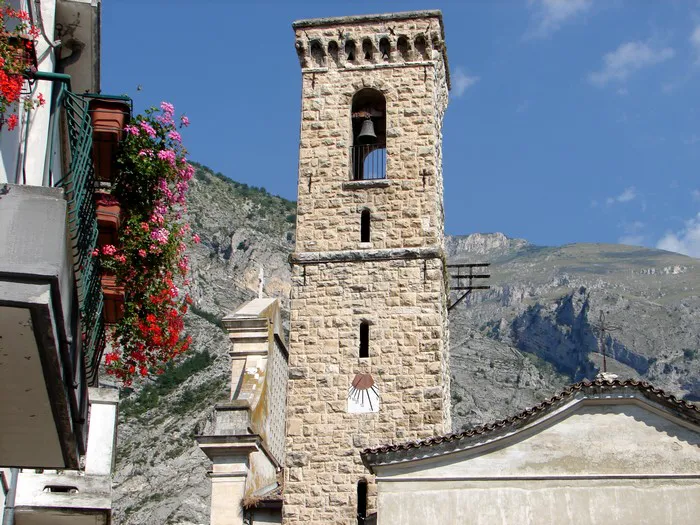
Civitella Messer Raimondo
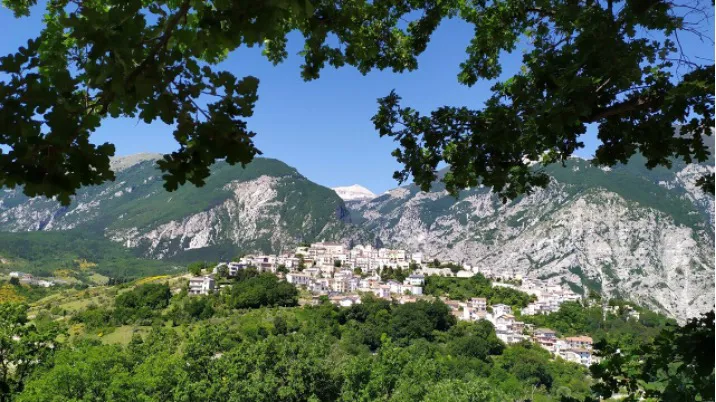
Civitella Messer Raimondo is a beautiful village overlooking the valley, witness to bitter fighting during World War II. Indeed, the Gustav Line passed through there, some remains of which can still be seen in the surrounding mountains (freedom trail).
Fara Filiorum Petri
Lying on a plain in the center of the Val di Foro, with the historic center set against the backdrop of a small hill, Fara Filiorum Petri is an Abruzzi municipality in the province of Chieti surrounded by three rivers: the Foro, Vesola Sant’Angelo and Vesola San Martino.
Of Lombard origin, the toponym, meaning “land of the sons of Peter,” places the founding of the municipality, which today has about two thousand inhabitants, at the time of the domination, between the 6th and 8th centuries AD, of the Germanic population of the Lombards.
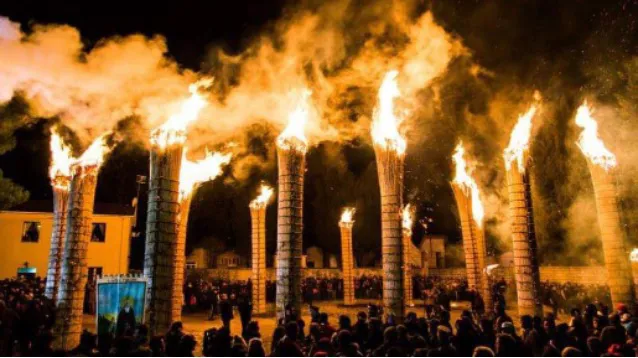
The village is known for the “Farchie” festival held on January 16 each year and for the cultivation of Fara Filiorum Petri flat white onion, a Slow Food Presidium of the characteristic aroma and unmistakable flattened shape.
Guardiagrele
Counted among the most beautiful villages in Italy, Guardiagrele is situated 576 m above sea level on the eastern slope of the Maiella. The historic center is enclosed within the ancient city walls where medieval towers, such as Torre Adriana and Torre Stella, still soar; it is also rich in outstanding monuments and architecture, such as Largo Garibaldi with the Longobard Torrione, Porta San Giovanni, Casa Marini, the former seat of the mint, and numerous stately palaces.
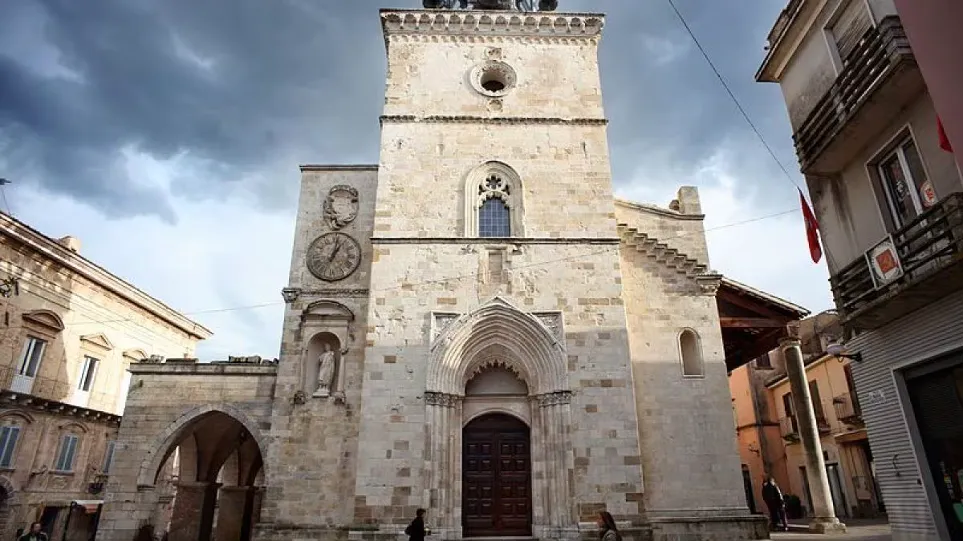
The Cathedral Square is home to the splendid Collegiate Church of Santa Maria Maggiore, made entirely of Maiella stone and inside which is a processional cross by Nicola da Guardiagrele, while the Church of San Francesco, located in the square of the same name, holds the remains of St. Nicholas Greco.
Other very important places of worship are the Church of St. Nicholas of Bari, one of the oldest in the city and erected on the remains of a pagan temple, the Church of St. Sylvester, the Capuchin Convent, the Church of St. Roch, the Church of St. Mary of Mount Carmel, and the Church of St. Clare.
USEFUL INFO.
- For the Fara Gorge, at the Fara Municipal Villa, descend toward the pasta factories. At the bottom, turn left to go up towards the Verde springs until you meet a dirt road about 1 km from the starting point. Follow the dirt road for approx. 300 m always uphill. More quickly, coming from Lama dei Peligni in the direction of the historic center of Fara, you can descend from an obvious hairpin bend that provides a viewpoint over the gorges. Like all ravines, the gorges can be subject to rockfall so it is advisable to rely on licensed guides for the visit and not to go there in bad weather.
REFERENCES
- Fara Gorge
Tel: +39 340 6807479
farasanmartino@parcomajella.it - For tours to Gorges and ruins abbey contact Tel: +39 389 1138621
(in July tours 09:30, 11:30 15:00, 17:00) - For Gustav Line trails:
Majella Cooperative Society
Tel: +39 340 6807479
Tel: +39 0872 980970
farasanmartino@parcomajella.it
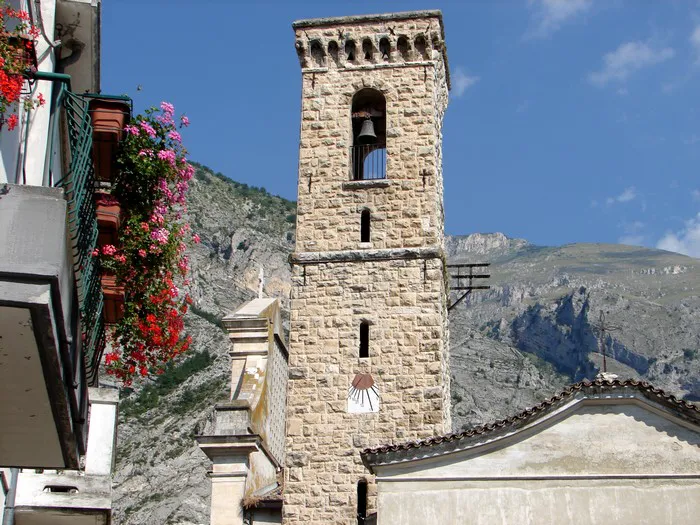
Whether you choose one of our suites or one of the apartments, Palazzo D’Alessandro welcomes you with harmonious spaces, refined atmospheres and an elegance that accompanies every moment of your stay.

